Publications
Peer-reviewed papers and preprints, most recent first.
- Peer-reviewed papers
-
 IEEE AIoT 2025·December 2025
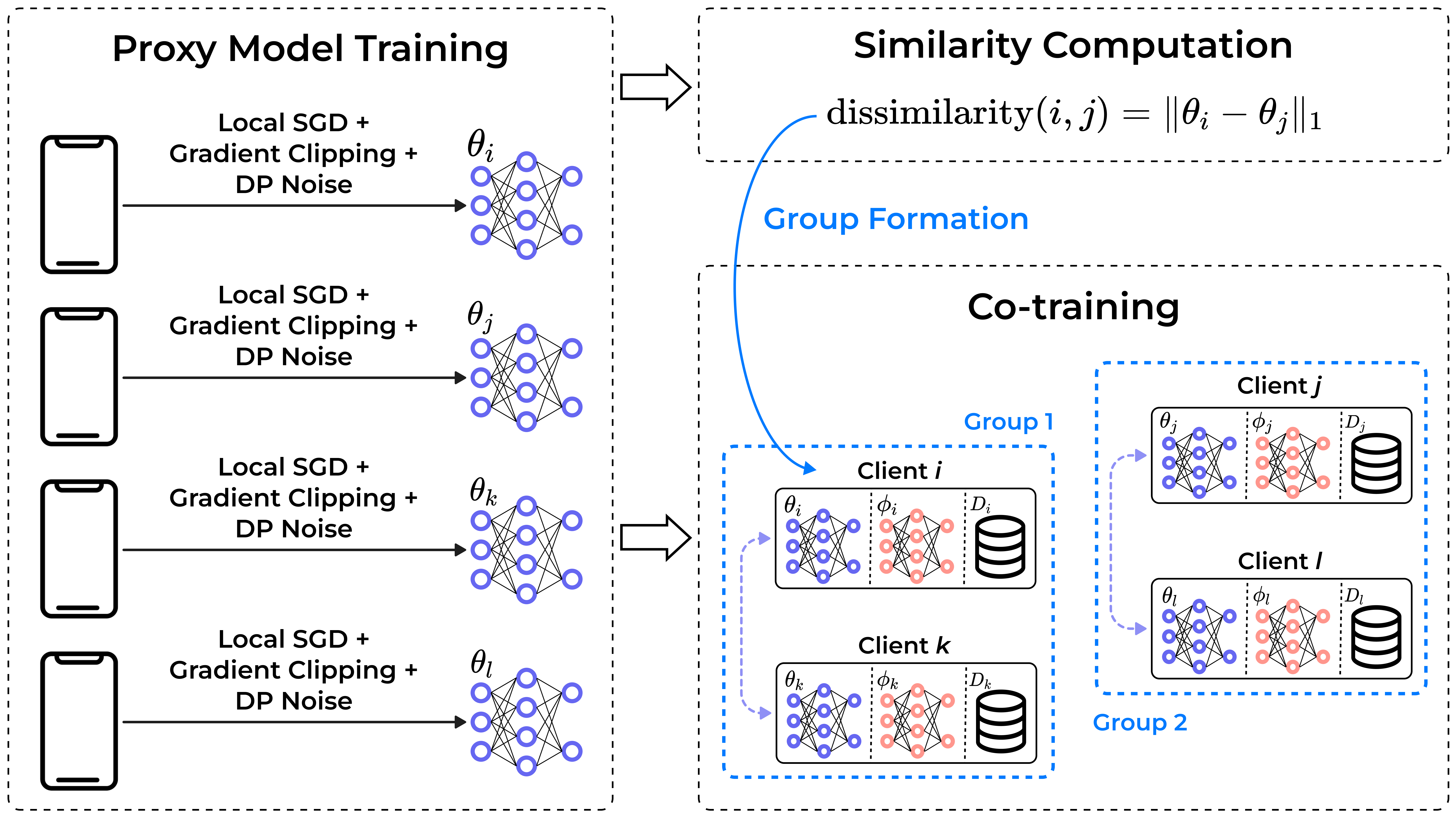
Client Clustering Meets Knowledge Sharing: Enhancing Privacy and Robustness in Personalized Peer-to-Peer Learning
The growing adoption of Artificial Intelligence (AI) in Internet of Things (IoT) ecosystems has intensified the need for personalized learning methods that can operate efficiently and privately across heterogeneous, resource-constrained devices. However, enabling effective personalized learning in…
-
 VLDB 2025·May 2025
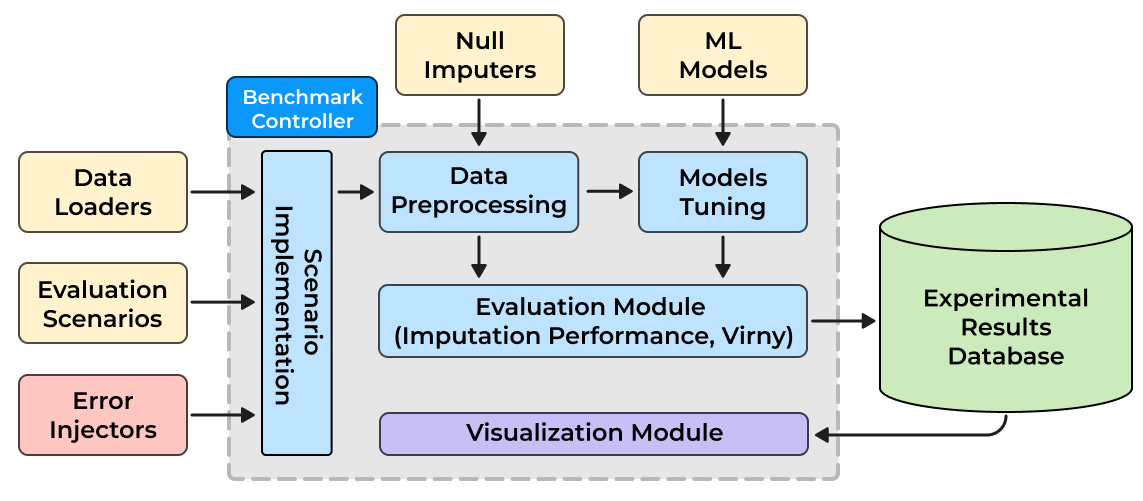
Still More Shades of Null: An Evaluation Suite for Responsible Missing Value Imputation
Data missingness is a practical challenge of sustained interest to the scientific community. In this paper, we present Shades-of-Null, an evaluation suite for responsible missing value imputation. Our work is novel in two ways (i) we model realistic and socially-salient missingness scenarios that…
-
 SIGMOD 2024 · demo·June 2024
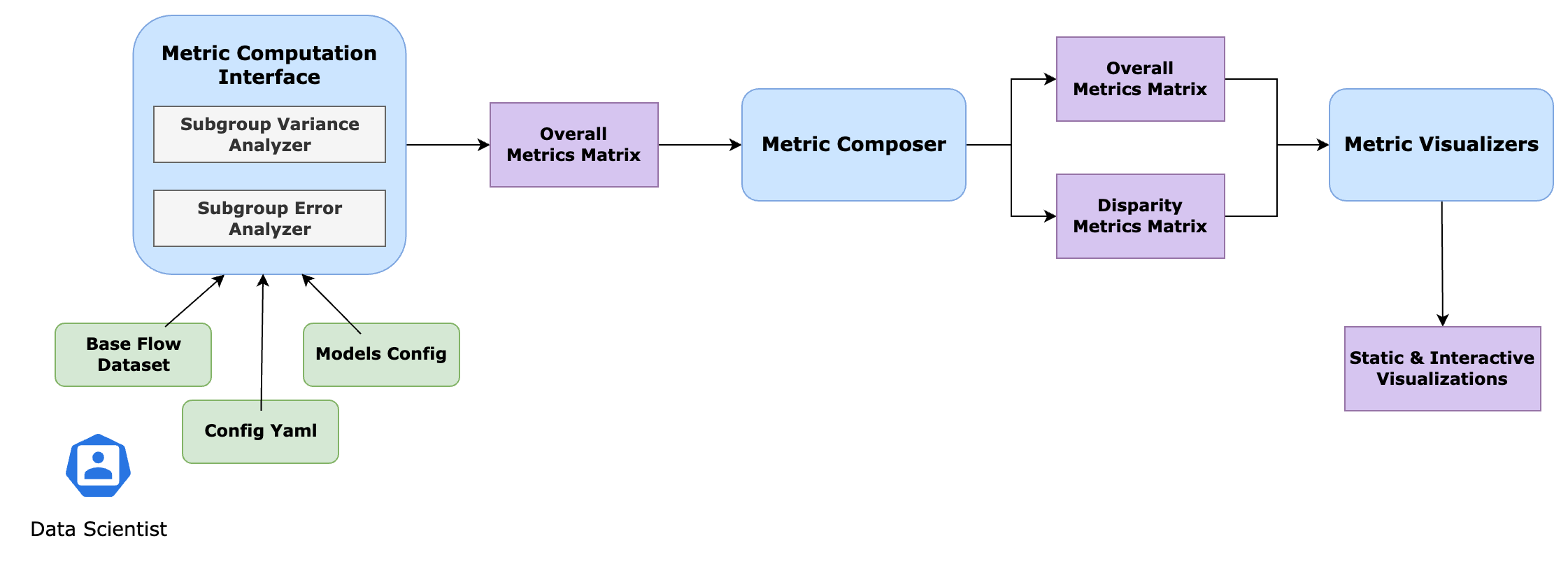
Responsible Model Selection with Virny and VirnyView
In this demonstration, we present a comprehensive software library for model auditing and responsible model selection, called Virny, along with an interactive tool called VirnyView. Our library is modular and extensible, it implements a rich set of performance and fairness metrics, including novel…
- Preprints
-
 Under review at IEEE BigData 2026·August 2026
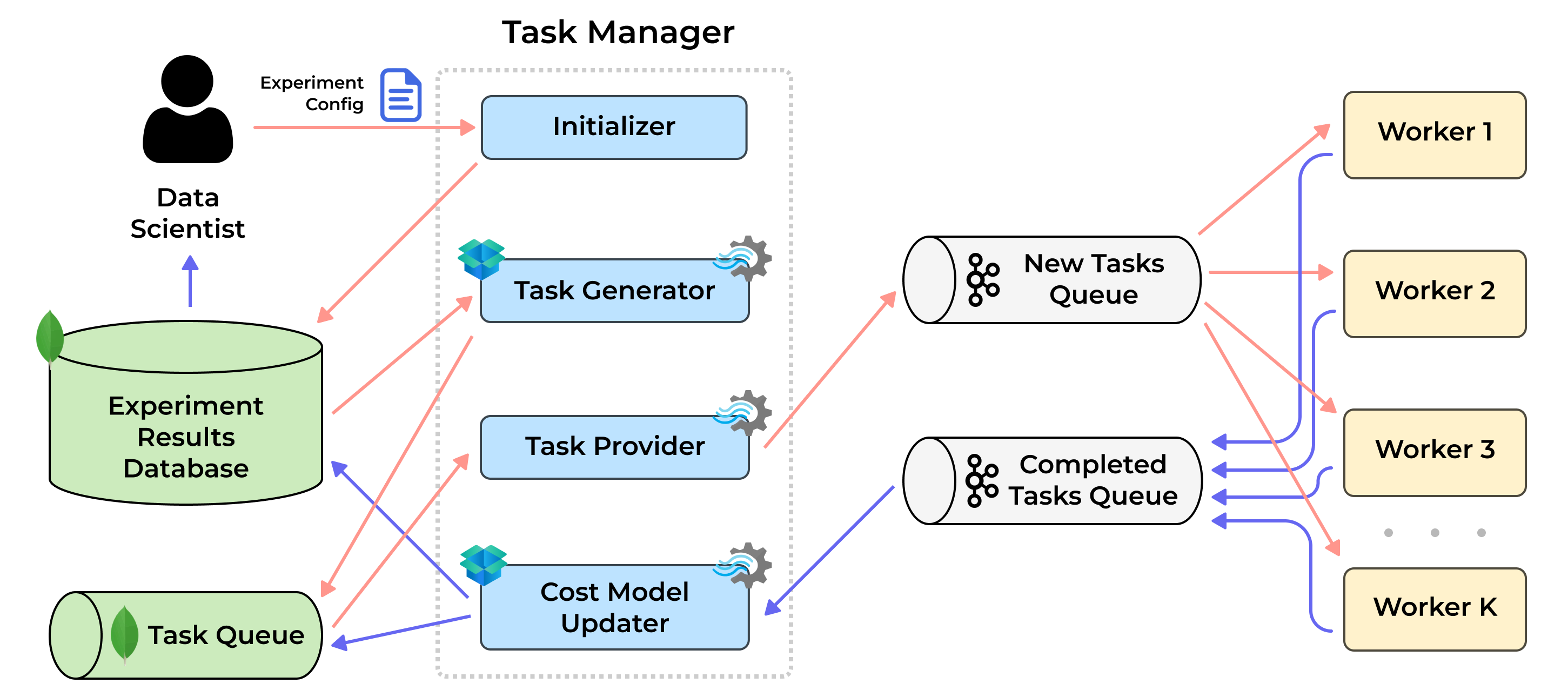
VirnyFlow: Optimizing ML Pipelines for Accuracy, Fairness, and Stability at Scale
Developing machine learning (ML) models requires a deep understanding of real-world problems, which are inherently multi-objective. In this paper, we present VirnyFlow, the first design space for responsible model development, designed to assist data scientists in building ML pipelines that are…
-
 Under review at Translational Pediatrics 2026·July 2026
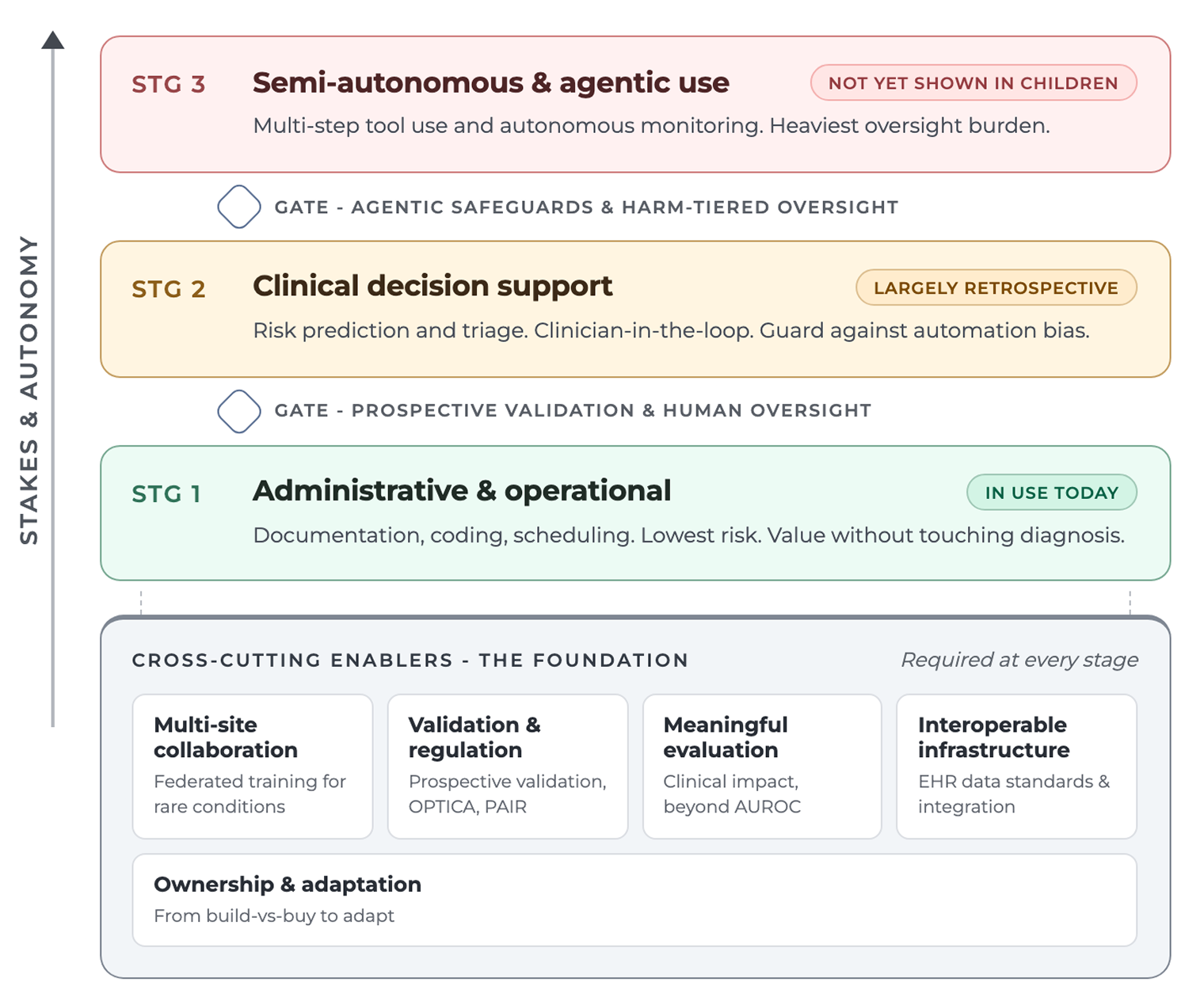
Beyond the AI Translational Gap: Can Foundation Models Finally Bridge Research and Practice in Pediatrics?
Background: Artificial intelligence (AI) is rapidly advancing, yet a persistent gap separates strong retrospective model performance from measurable clinical benefit – the "AI chasm." This gap is wider in Pediatrics where physiology varies with maturational stage, datasets are small and fragmented…
-
 Preprint·July 2025
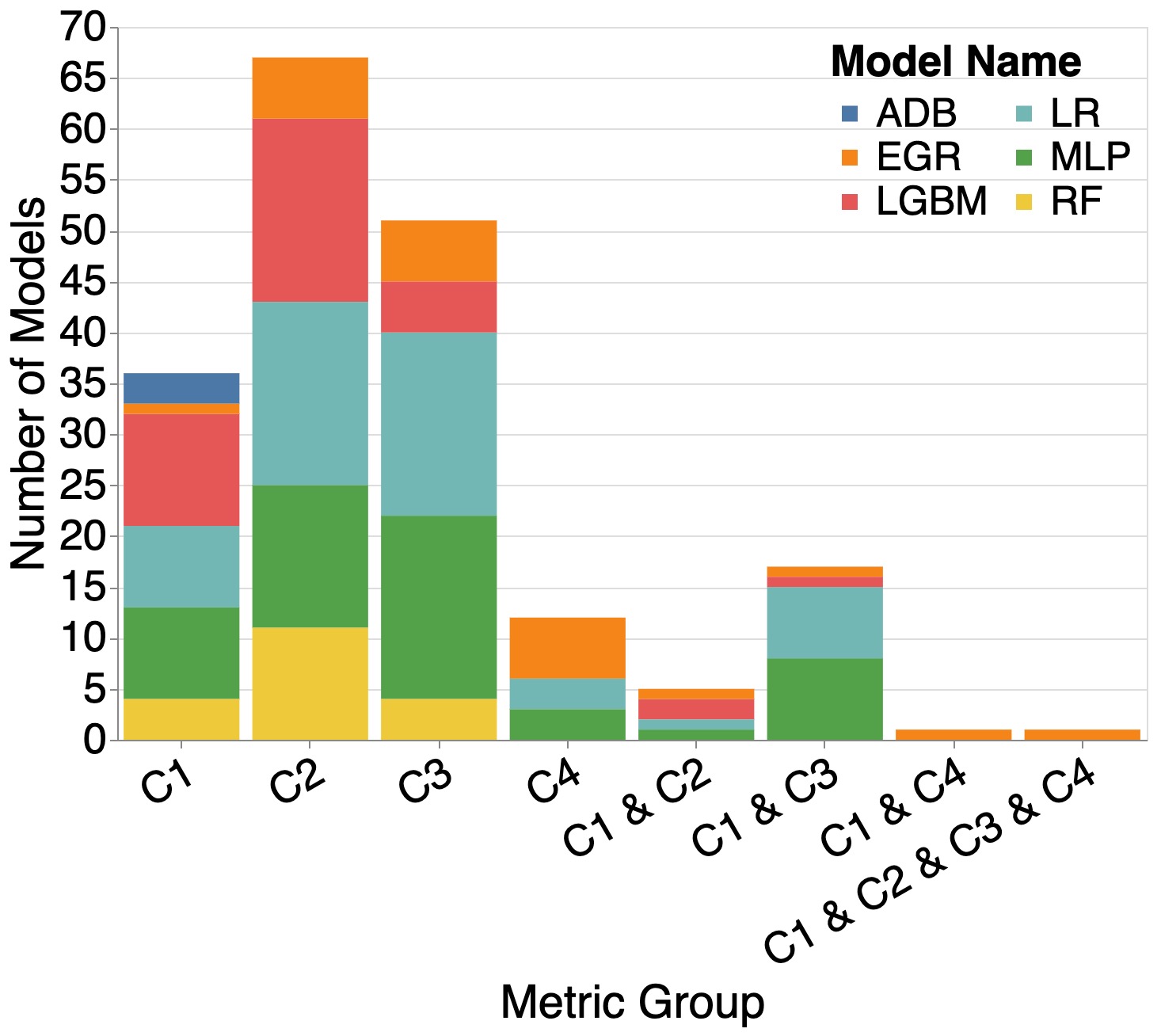
An Epistemic and Aleatoric Decomposition of Arbitrariness to Constrain the Set of Good Models
Recent research reveals that machine learning (ML) models are highly sensitive to minor changes in their training procedure, such as the inclusion or exclusion of a single data point, leading to conflicting predictions on individual data points; a property termed as arbitrariness or instability in…